
When you’re struggling with addiction, it’s easy to feel alone and like you have nowhere to turn. But the truth is that there are a lot of resources available to help you in your recovery. Finding the right help for you can sometimes be difficult, but there are a few steps you can take to ensure you’re getting the help you need.
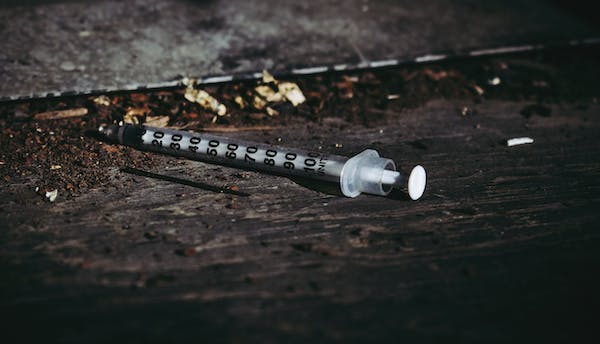
The first step in finding the right help for recovery is understanding what resources are available. There are a multitude of support programs available, both in-person and online, that can help you in your recovery. Many of these programs are offered free of charge and provide 12-step programs, peer support, group therapy, and other forms of support. Researching and familiarizing yourself with the various recovery programs can help you determine which one might be best for you.
The second step in finding the help you need is to talk to your doctor or healthcare provider. They can provide insight into different types of treatment options, including medication-assisted treatment. They can also tell you about any sources of addiction services in your area. Additionally, they can connect you with resources such as recovery housing, mental health services, and medical detox centers.
The third step is to look for support in your community. Many communities have support groups and recovery organizations that provide resources and support for those in recovery. Joining a local support group is a great way to receive additional resources and build connections in the recovery community.
The fourth step is to reach out to family and friends. Those closest to you can provide invaluable support, understanding, and guidance when it comes to your recovery. It’s important to be open and honest about your struggles and recovery so that they can provide the best possible support for you.
Finally, it’s important to stay connected to the recovery community. There are many online forums and support groups, as well as in-person support groups, that can provide additional resources and support. Making connections in the recovery community can help you feel less isolated and provide guidance from others who’ve been through similar struggles.
In summary, there are many resources available to help you in your recovery. It’s important to research the different programs and resources available in your area, consult with your healthcare provider, look towards family and friends for support, and stay connected to the recovery community. By taking these steps, you’re sure to find the help you need during your journey towards recovery.