
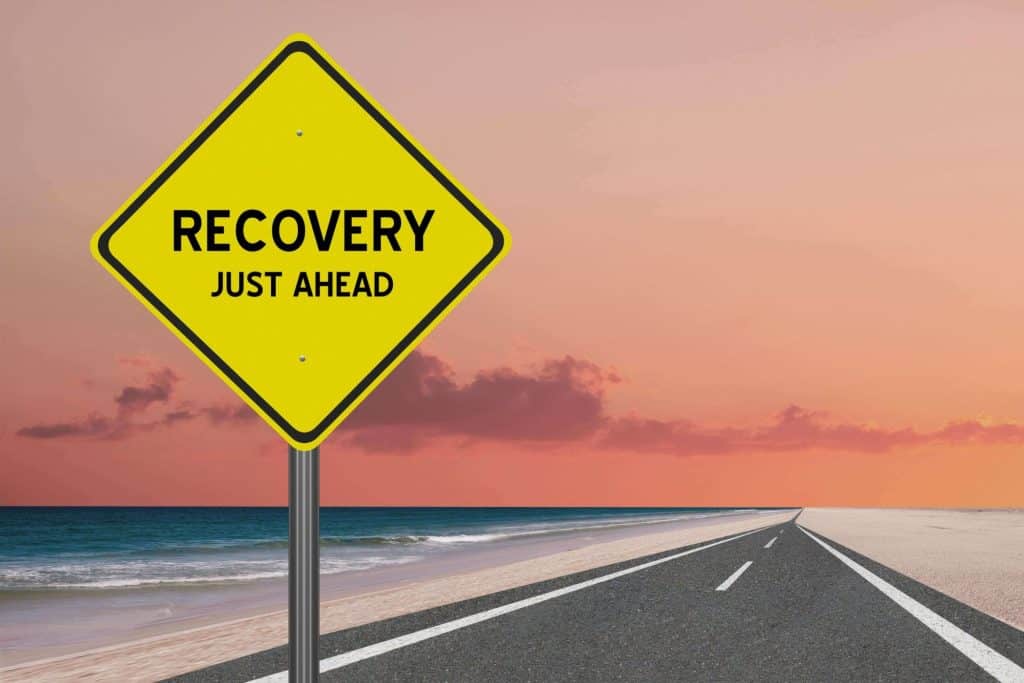
Recovery from addiction is a journey that involves finding the right tools, support, and resources to help navigate the complex road to sobriety. Accessing the best resources can make a significant difference in the recovery process, providing the necessary foundation for lasting change. Here’s a roadmap to guide you to the most effective resources for sobriety.
1. The Importance of Building a Supportive Network
One of the most critical aspects of recovery is surrounding yourself with a strong support system. A reliable network of people—whether it includes family, friends, or a recovery group—can provide the encouragement and accountability needed to stay on track. Support groups, such as Alcoholics Anonymous (AA), Narcotics Anonymous (NA), and SMART Recovery, offer accessible resources and group meetings to those at any stage of their recovery journey. These programs foster a sense of community and belonging, helping individuals feel less isolated and more connected to others who share similar challenges and goals.
2. Therapy and Counseling: The Foundation for Lasting Recovery
Professional therapy is a vital resource in the recovery process. Engaging in individual counseling with a licensed therapist or addiction counselor provides a safe space to address the root causes of addiction, such as trauma, mental health issues, or family dynamics. Cognitive Behavioral Therapy (CBT), in particular, has proven effective for many in recovery by helping individuals recognize and change negative thought patterns that contribute to addictive behaviors.
For those interested in specialized therapy, some therapists offer addiction-focused sessions tailored to specific needs. Therapy is also available in a group setting, which can provide a supportive environment for sharing experiences, learning new skills, and gaining perspectives from others in similar situations.
3. Detox Programs and Rehabilitation Centers
For many, detoxification is the initial step in recovery. Detox programs offer medical supervision and support as individuals go through the physical process of withdrawal. These programs are essential for safely clearing the body of substances and preparing for further treatment. Inpatient or residential treatment centers provide a structured and immersive environment, allowing individuals to focus fully on recovery without the distractions and triggers of everyday life. Outpatient programs offer similar resources and support while allowing individuals to maintain their regular responsibilities, such as work or family commitments.
Many rehab centers also offer customized care plans that include individual and group therapy, medication-assisted treatment (MAT), and wellness activities to help address the mind-body connection, an essential component in long-term recovery.
4. Online Resources and Telehealth Services
With the rise of technology, online recovery resources and telehealth services have become invaluable tools. Platforms such as online support groups, virtual counseling sessions, and digital sobriety apps offer round-the-clock access to resources and support. Virtual counseling allows people to connect with licensed therapists from the comfort of their homes, making recovery more accessible, particularly for those in remote areas or with limited transportation options. Recovery-focused apps provide tracking tools, educational content, and community forums, enabling individuals to monitor their progress and stay connected to their goals.
5. Aftercare and Long-Term Recovery Support
Recovery doesn’t end after completing a program. Aftercare services, such as sober living homes, relapse prevention workshops, and continued therapy, are essential for maintaining sobriety in the long term. Many treatment centers offer alumni programs and recovery coaching to support individuals as they transition back into their regular lives. Sober living homes offer a structured, supportive environment where individuals can live with others committed to sobriety.
In conclusion, accessing the best resources for sobriety requires building a solid support network, engaging in therapy, choosing the right treatment programs, and staying connected through online and aftercare resources. With these tools in place, individuals can create a personalized roadmap that leads to lasting recovery, empowering them to build a healthier, fulfilling, and substance-free life.