
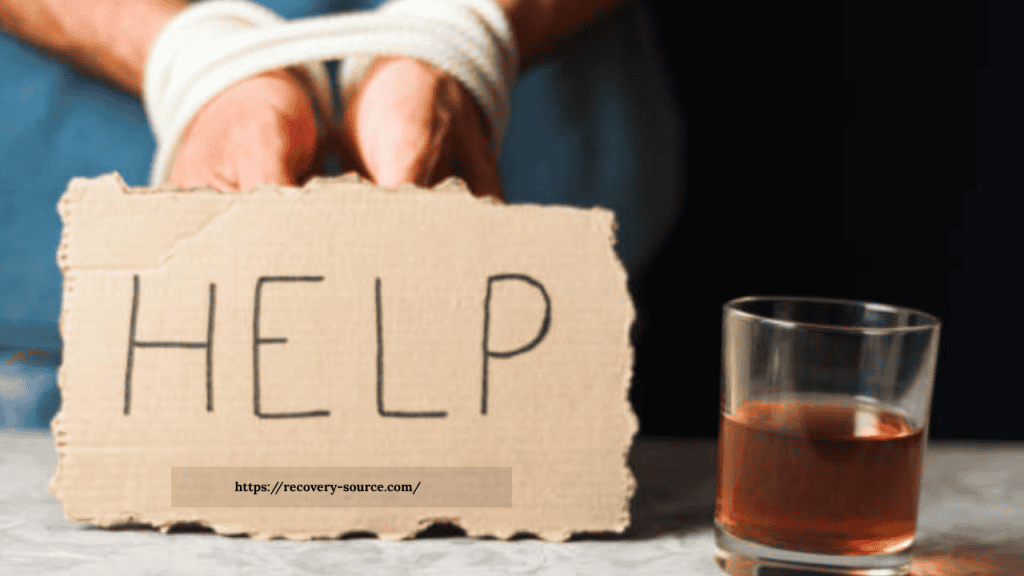
Beginning the journey toward sobriety is one of the most courageous decisions a person can make. Step one—acknowledging the need for change—is the foundation of lasting recovery. But once that step is taken, it’s crucial to have the right tools and resources in place to support the road ahead. Building a reliable recovery toolkit empowers individuals to not only achieve sobriety but also to maintain it through life’s inevitable challenges.
Acknowledging the Need for Help
The first step in any recovery journey is often the hardest: admitting there is a problem and that help is needed. This moment of clarity opens the door to transformation. It is not a sign of weakness but a powerful declaration of strength and self-awareness. From this point forward, the goal is to assemble the tools that will support sobriety in both the short and long term.
Essential Tools for Your Recovery Toolkit
- Medical and Clinical Support For many, professional help is an essential part of the recovery process. Detox programs provide a medically supervised environment to safely manage withdrawal symptoms. Following detox, inpatient or outpatient treatment centers offer therapy, education, and structure tailored to individual needs.
- Therapy and Counseling Therapy helps uncover the emotional and psychological roots of addiction. Modalities such as Cognitive Behavioral Therapy (CBT), Dialectical Behavior Therapy (DBT), and trauma-informed therapy help individuals build healthier thought patterns and coping mechanisms.
- Peer Support Networks Connecting with others who understand the struggle is key. Peer groups like Alcoholics Anonymous (AA), Narcotics Anonymous (NA), and SMART Recovery provide support, accountability, and shared wisdom. Online forums and virtual meetings are also valuable, especially for those in remote areas.
- Healthy Lifestyle Habits Physical health supports mental clarity. Regular exercise, balanced nutrition, quality sleep, and mindfulness practices such as meditation can significantly improve emotional stability and overall well-being.
- Relapse Prevention Plans Recovery is not linear. Having a relapse prevention plan can make all the difference when facing triggers or setbacks. This may include identifying high-risk situations, practicing coping strategies, and having emergency contacts ready.
- Family and Social Support Healing in a supportive environment enhances recovery outcomes. Loved ones can offer encouragement, accountability, and stability. Family therapy or support groups like Al-Anon can also help loved ones understand and contribute positively to the recovery process.
- Life Skills and Purpose Sobriety is about building a life worth living. Developing life skills—such as budgeting, job searching, and communication—and engaging in meaningful activities or hobbies helps foster a sense of purpose and independence.
Conclusion
Step one to sobriety is just the beginning, but it sets the tone for everything that follows. By assembling a personalized recovery toolkit—complete with clinical support, peer connection, lifestyle changes, and purpose-driven goals—individuals can empower themselves to create a life of lasting freedom. With the right tools in hand, recovery isn’t just possible—it’s sustainable.